
About Vermont Tile Installation
A local crew working across South Los Angeles.
We Know This Neighborhood
Vermont Tile Installation is rooted in South Los Angeles. Our work runs through Vermont Knolls, Manchester Square, and Westmont — neighborhoods where the housing stock skews older, bathrooms are compact, and subfloors require real prep before a tile ever goes down. We understand those conditions because we work in them every week.
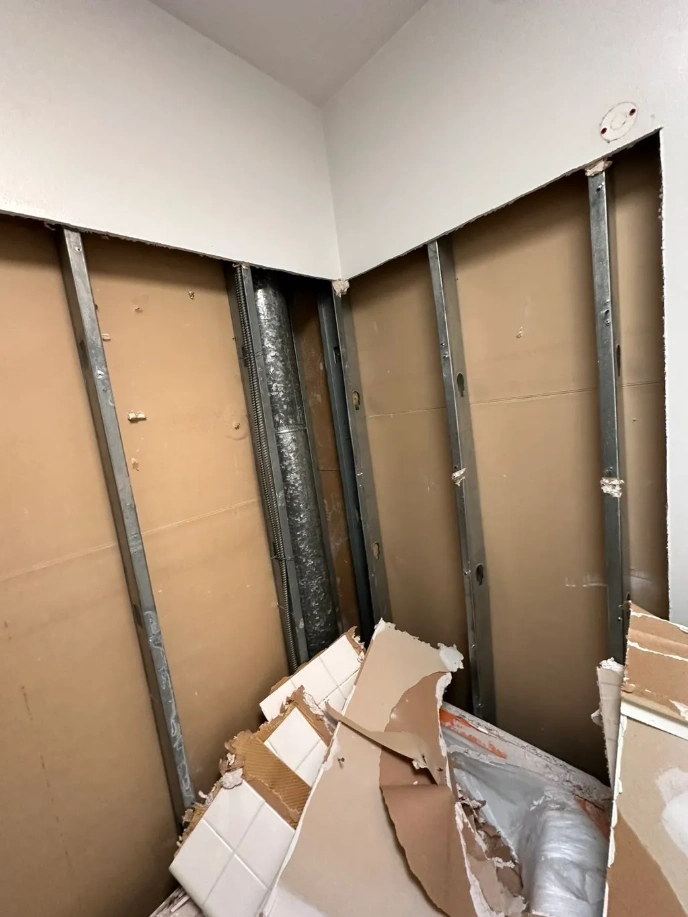
Tile installation done properly is methodical. Before any tile touches a surface, the substrate has to be right. For wet areas like showers and bathroom floors, that means a waterproofing membrane — Schluter Kerdi or a hot-mop liner, depending on the construction — applied before the tile goes anywhere. For large-format floor tile, it means checking the subfloor for deflection, shimming low spots, and sometimes floating a mud bed to achieve the flatness the tile manufacturer requires. Skipping those steps is how grout cracks and tiles pop six months later. We don't skip them.
Our small crew handles the work directly. When you call to discuss a bathroom remodel or a kitchen floor replacement, you speak with someone who will actually be on the job. We measure the space ourselves, supply honest material estimates (including waste factor for cuts and breakage), and give you a written scope before any work starts. No vague verbal agreements.
We work with a wide range of tile — porcelain and ceramic in formats from 4x4 subway up to 48x24 large-format slabs, natural stone including travertine and slate, and cement encaustic tiles for decorative applications. Each material has different layout requirements, different adhesive chemistry, and different grout joint tolerances. Those differences matter on the finished floor.
South LA homeowners deserve the same quality of work that gets installed in neighborhoods further west. That is what we set out to deliver when we started working in this area, and it remains the standard we hold ourselves to today.
Our Approach to Each Job
Measure Twice
We calculate square footage with a waste factor built in — typically 10% for straight-lay patterns and up to 15% for diagonal or herringbone cuts. You get an accurate material order, not a surprise second trip to the tile store.
Prep the Substrate
Concrete, cement board, or existing tile — each base needs a different approach. Cracks get filled, high spots get ground down, and waterproofing goes on before any tile in a wet area. The prep is what holds the job together long-term.
Lay with Precision
We snap chalk lines, set layout from the center out, and use leveling clips on large-format tile to prevent lippage — the slight height variation between tiles that catches the light and feels rough underfoot. Finished surfaces are flat within the tolerances the tile requires.
Grout and Seal
Grout color gets selected with the homeowner before we mix it. Epoxy grout for wet areas when specified, standard sanded or unsanded grout elsewhere. Sealer goes on after cure — we do not leave that step to the homeowner.
Ready to Talk About Your Project?
We work Monday through Sunday, 7 AM to 10 PM. Call us directly or fill out the contact form and we'll follow up within one business day.